About GRABS
BUILT FOR FREESKIING
IT STARTED WITH SOME DUCT TAPE AND A RUBBER BAND
In 2022-23, Birk was skiing with and without poles. Neither felt quite right. When FIS made poles mandatory at major competitions, he saw a reason to rethink the ski pole.
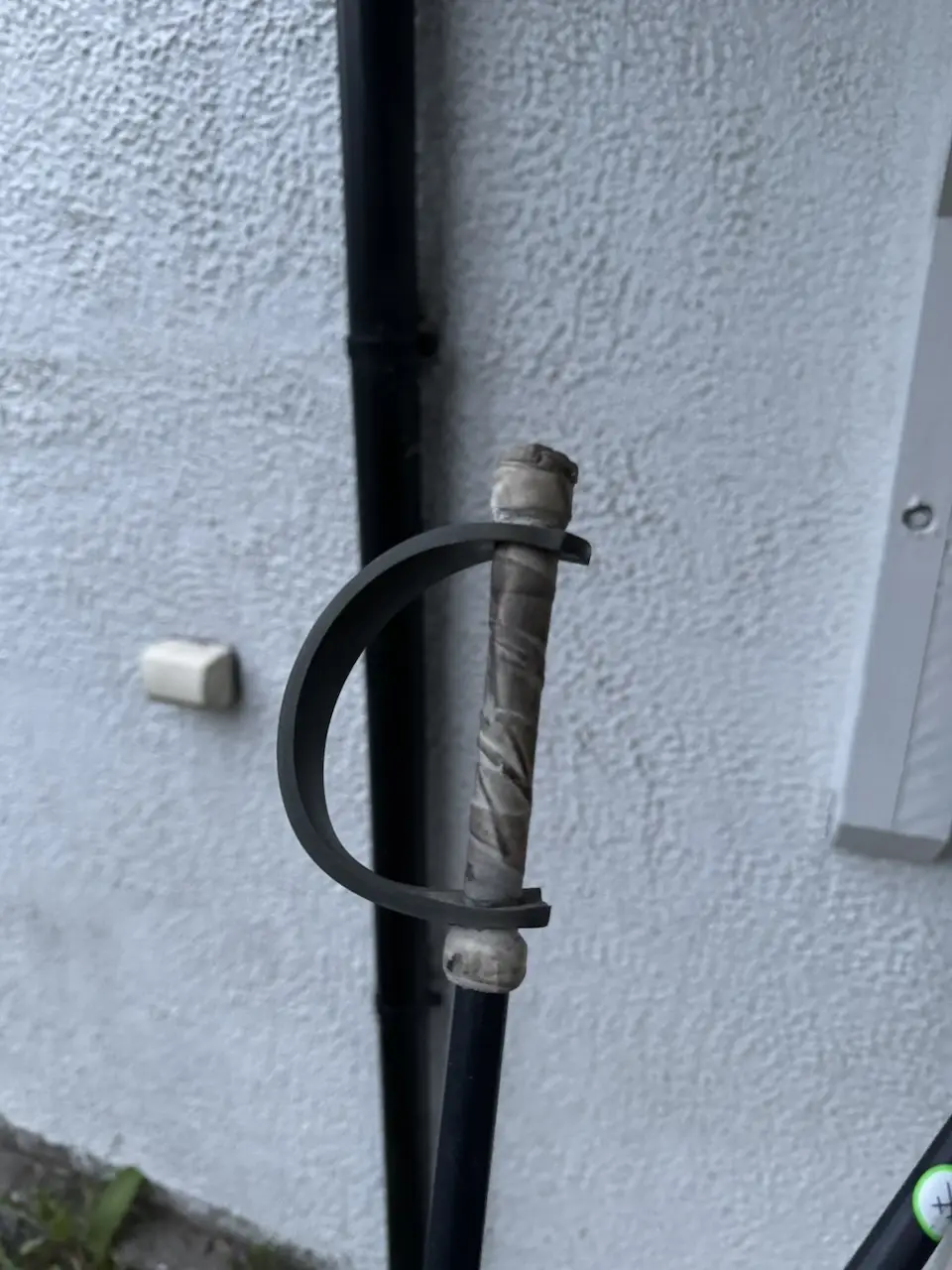
He wanted a pole that followed his hand when he opened his grip for a grab. So he attached an elastic band to a regular ski pole and tried it out. It was simple, but the feeling was completely new.
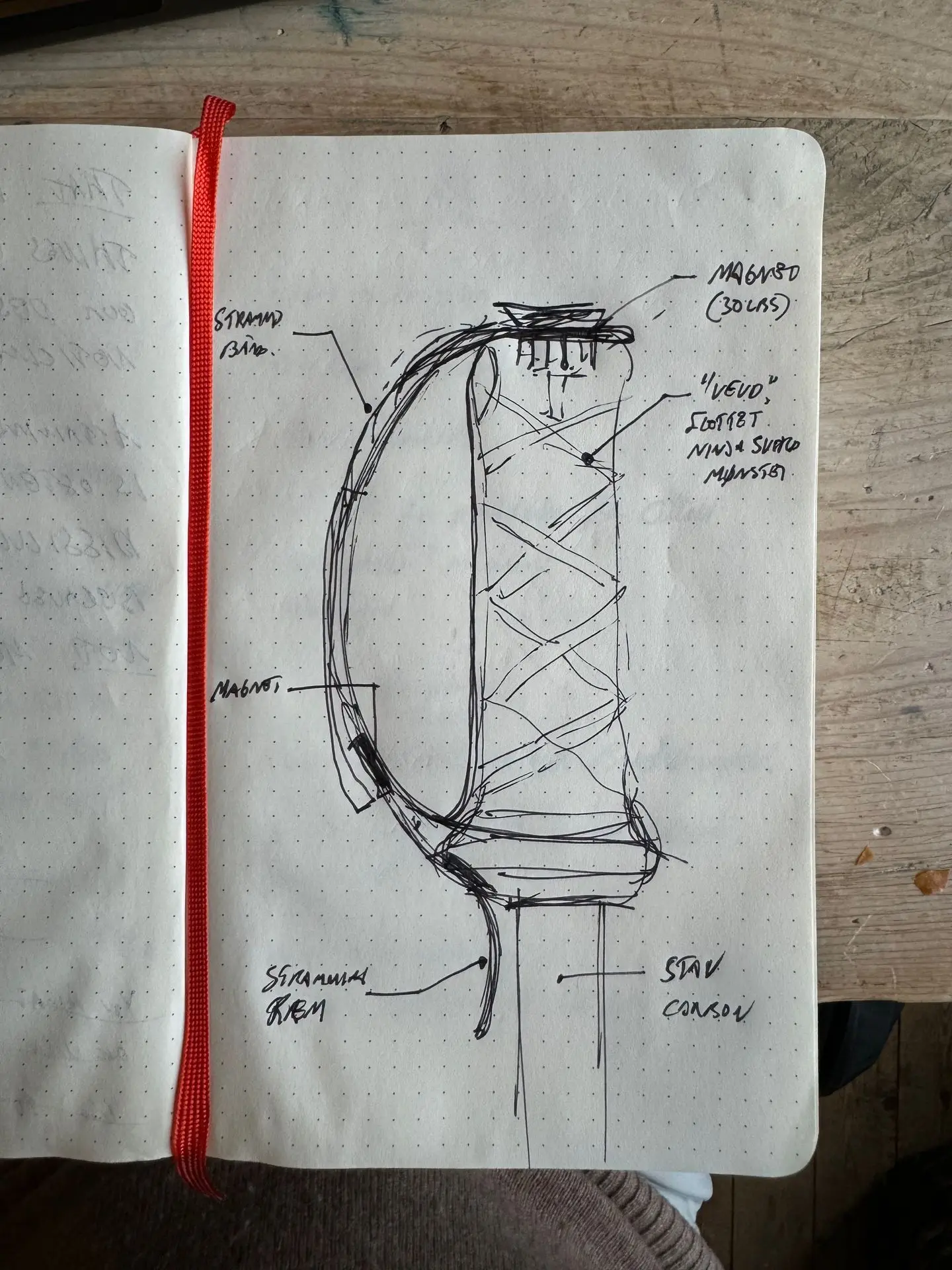
The first sketch.
One of Birk's earliest prototypes, made with a rubber band.
Birk skied with the prototype for a season. It worked, but the elastic was hard to put on, uncomfortable, and didn't release in a fall. Other riders started copying his setup and asking for help making their own. That was when he realised this could become something bigger.
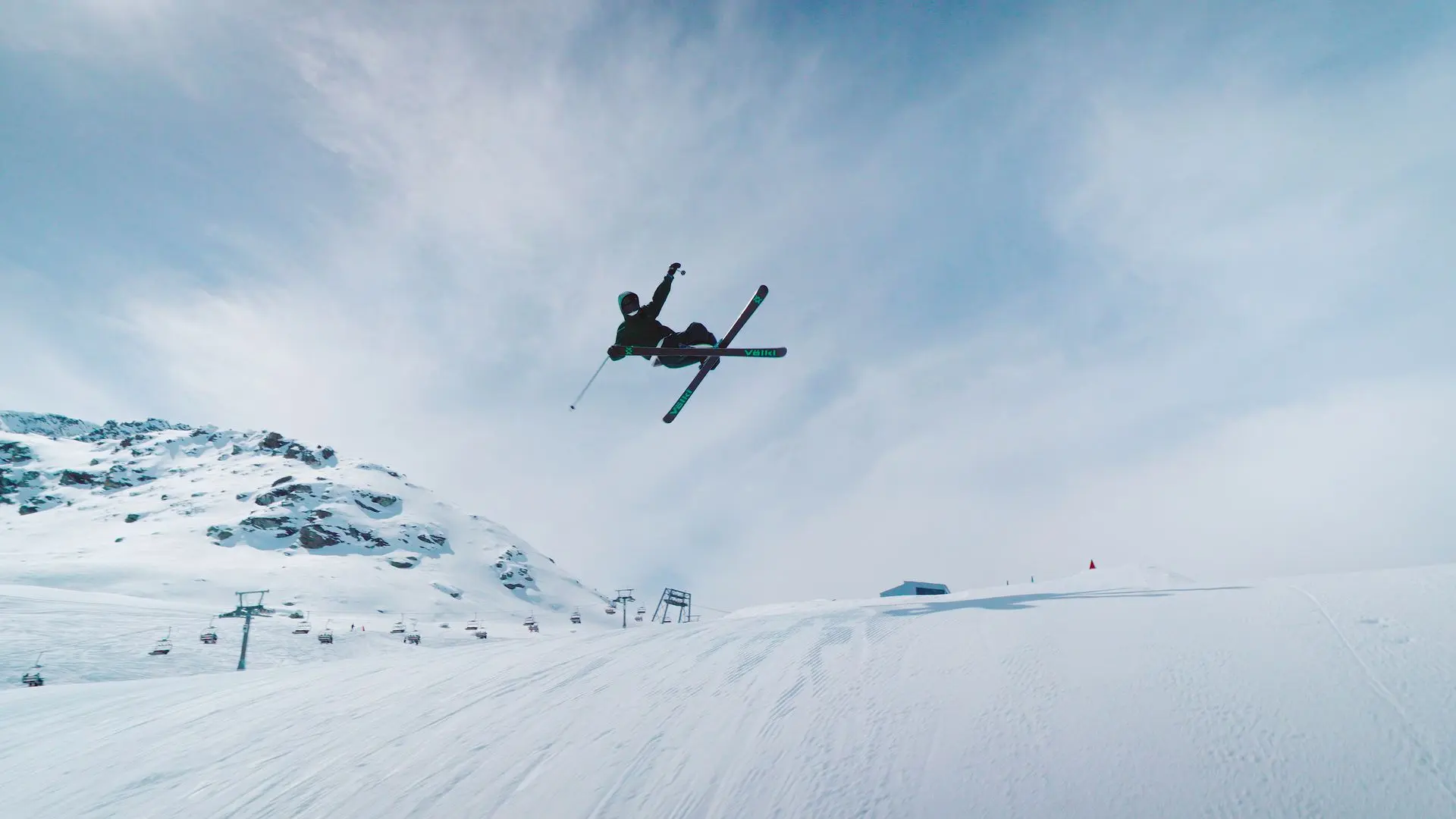
Birk in Silvaplana testing the prototype where it mattered most: on snow.
At his grandmother's 80th birthday, Birk showed the idea to his uncle Thomas. An architect, product designer, and former competitive skier, Thomas had spent 30 years turning ideas into products. He immediately saw the potential.
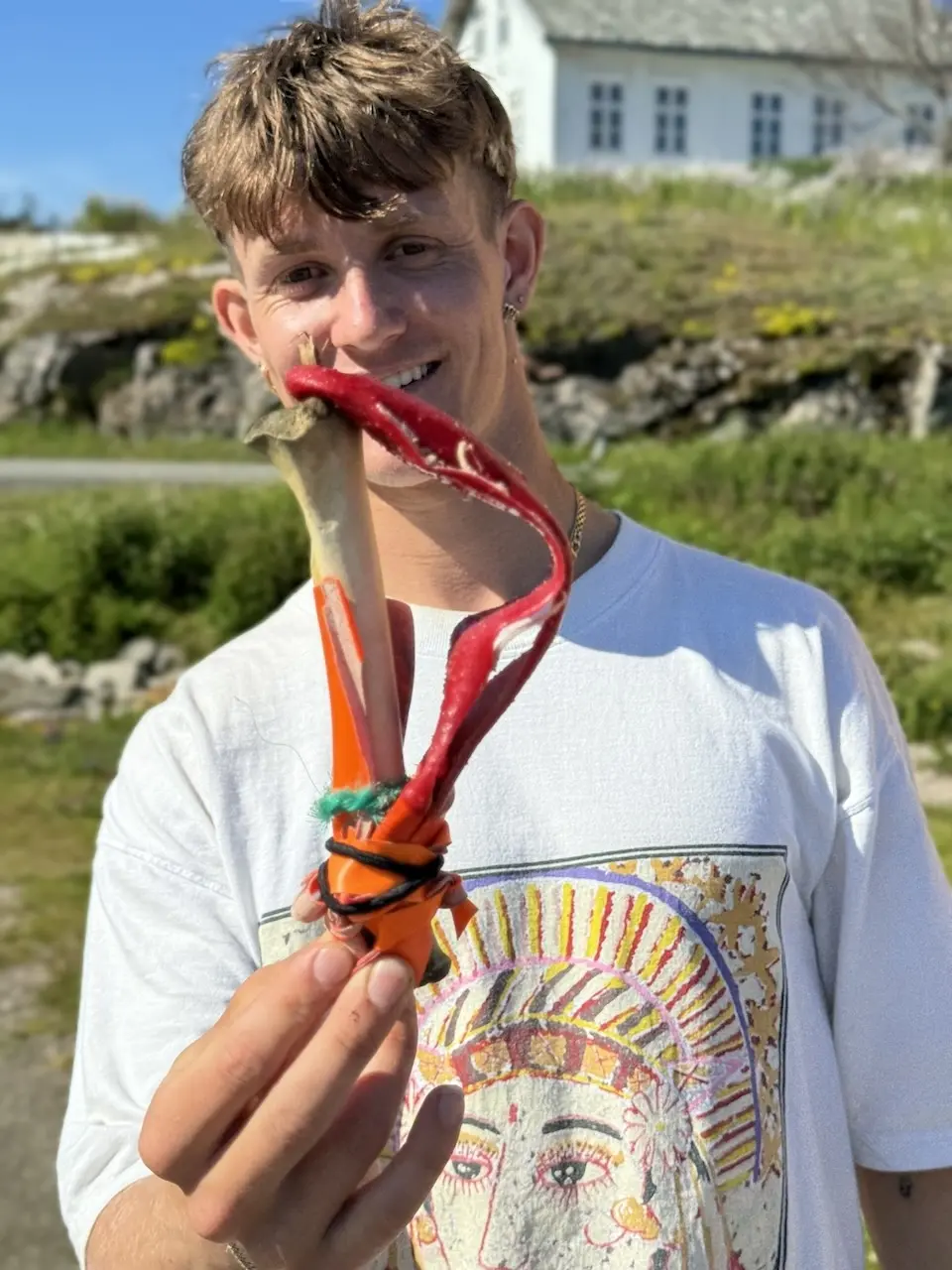
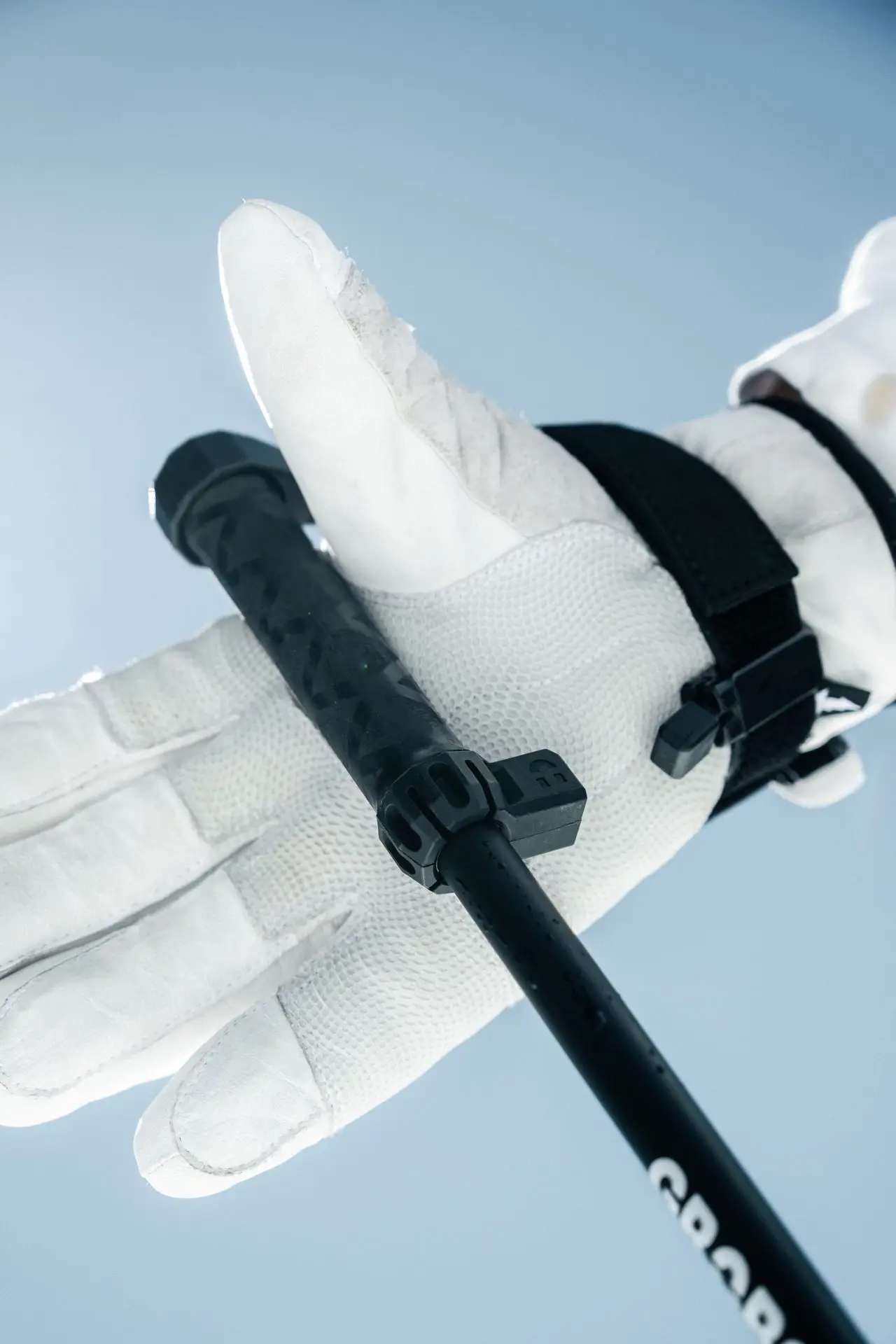
The first prototype.
The latest product.
They started with sketches, wood, and elastic bands. The questions were simple: How do you keep a pole connected to your hand during a grab? How do you make it release in a crash? And how do you make it easy to take on and off?
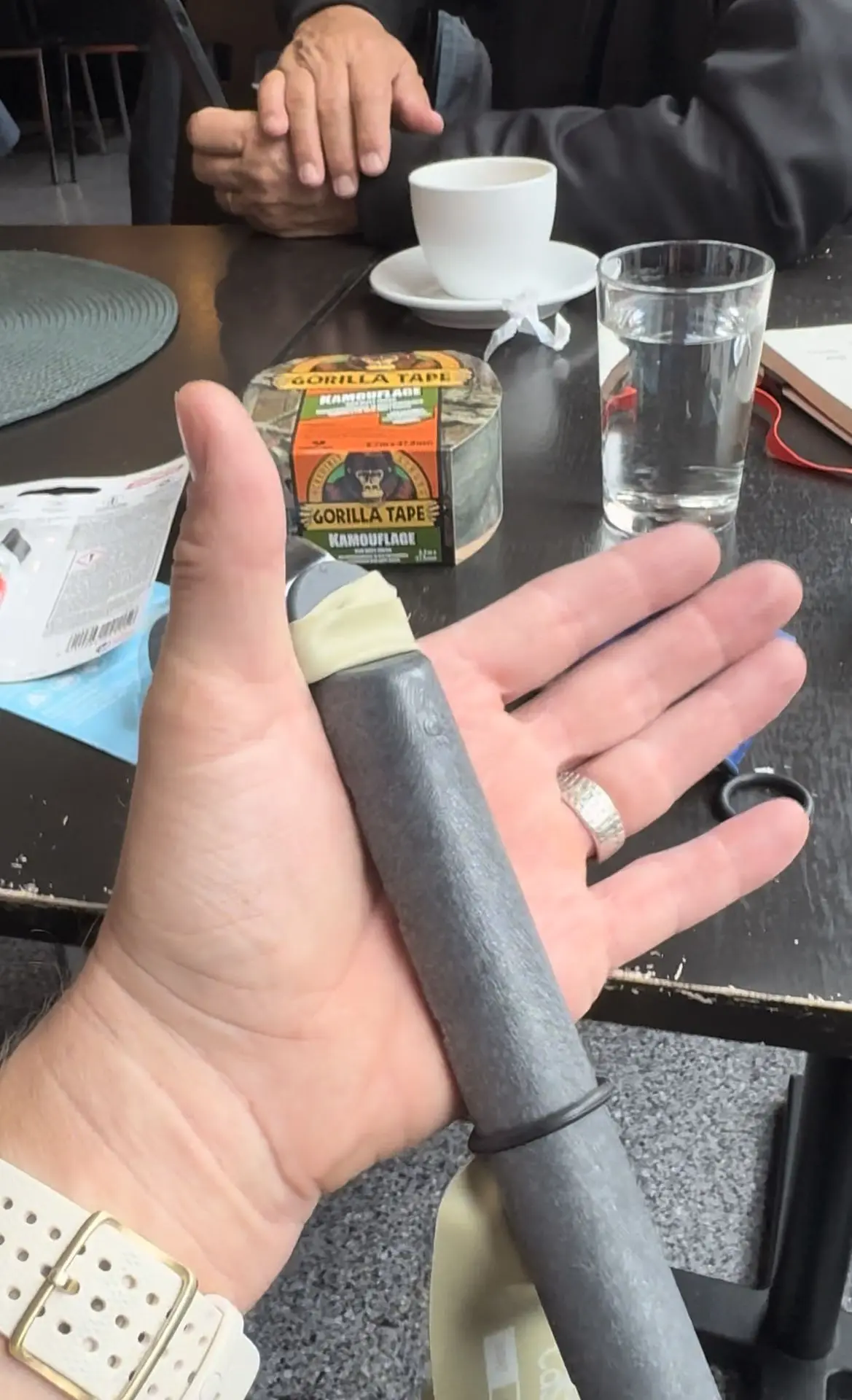
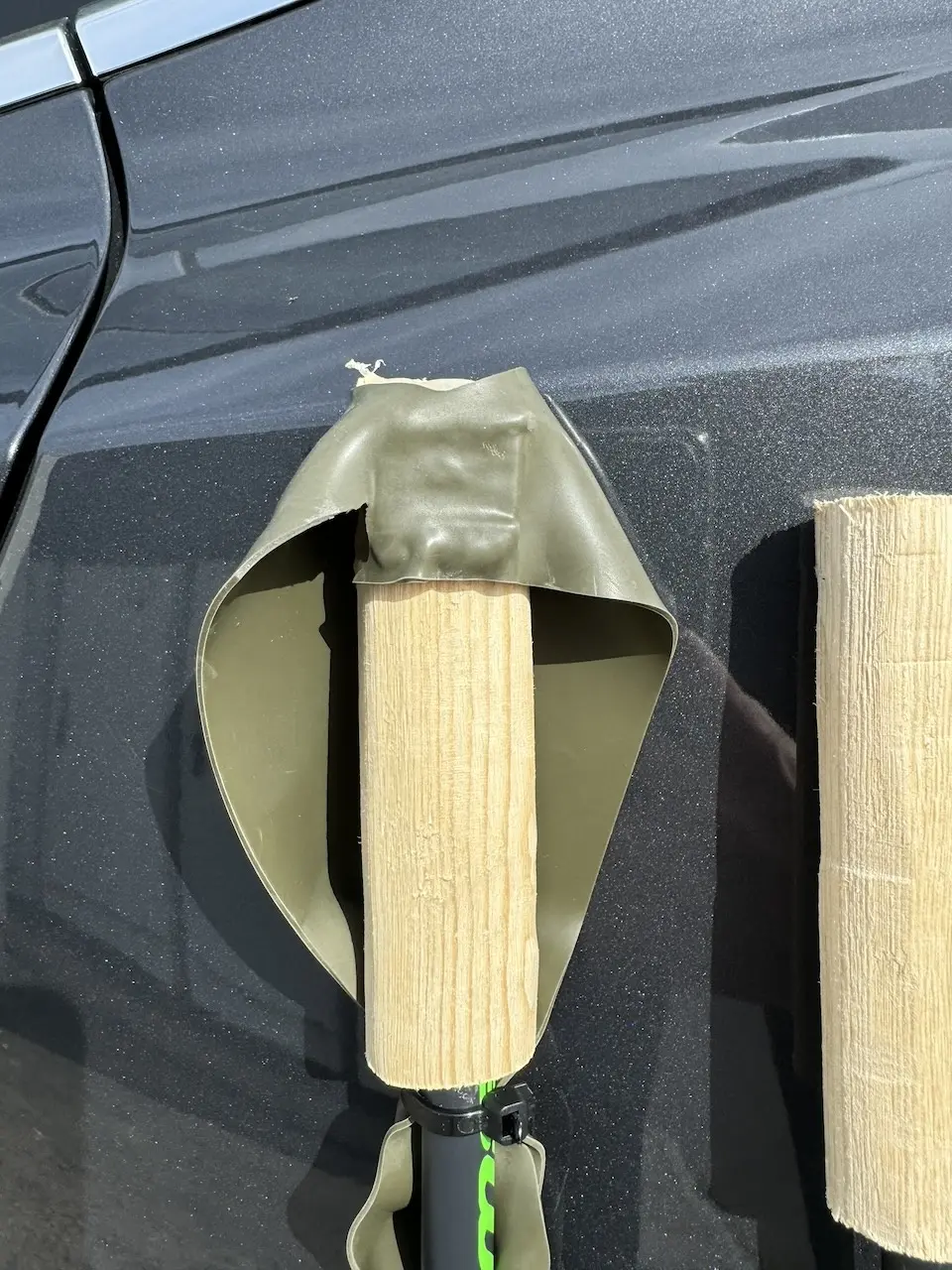
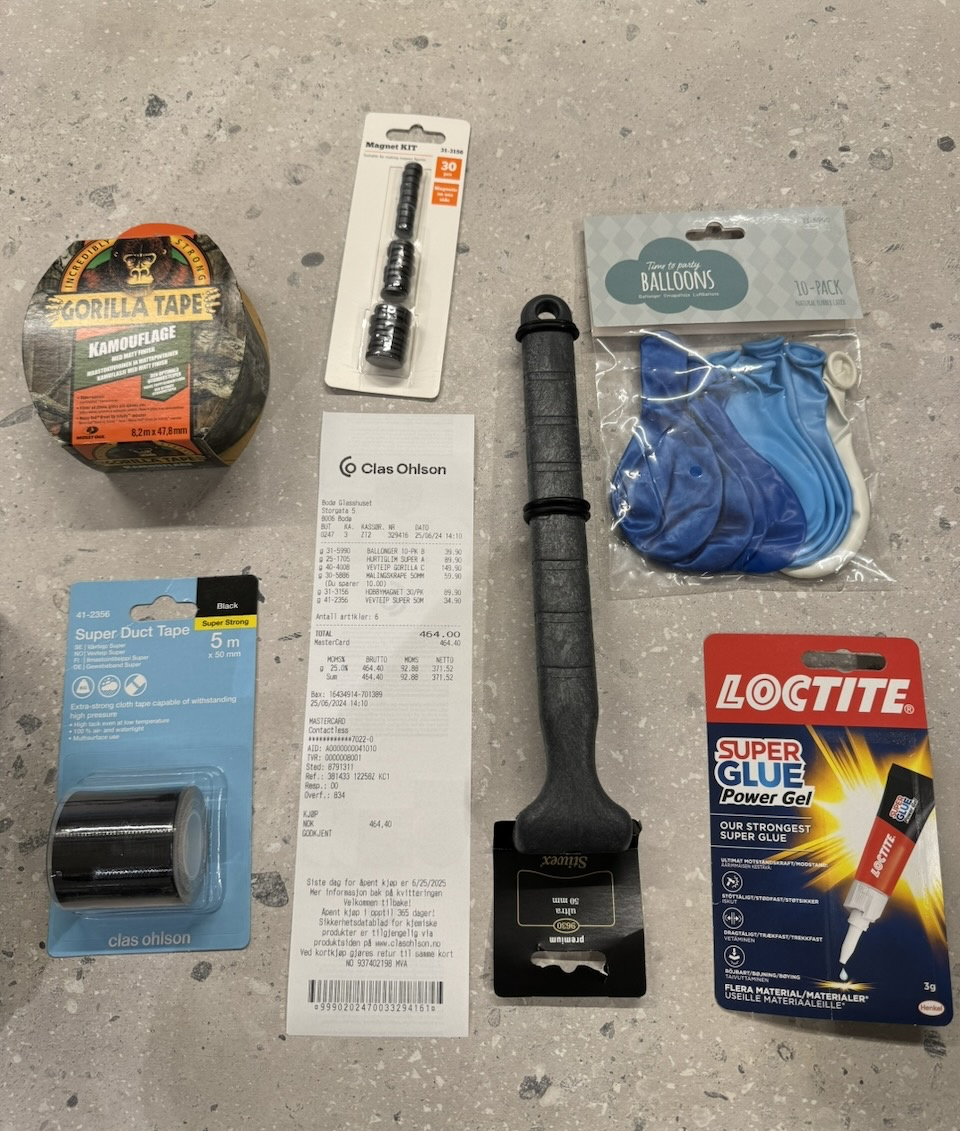
The first experiments used everyday materials to explore different ways of connecting the pole to the hand.
Tape and glue were all we needed in the beginning.
The handle was made out of wood.
Thomas introduced magnets to the design. Then came computer modelling, 3D printing, and more than 500 prototypes. He spent thousands of hours developing the system, while Birk kept testing it on snow.
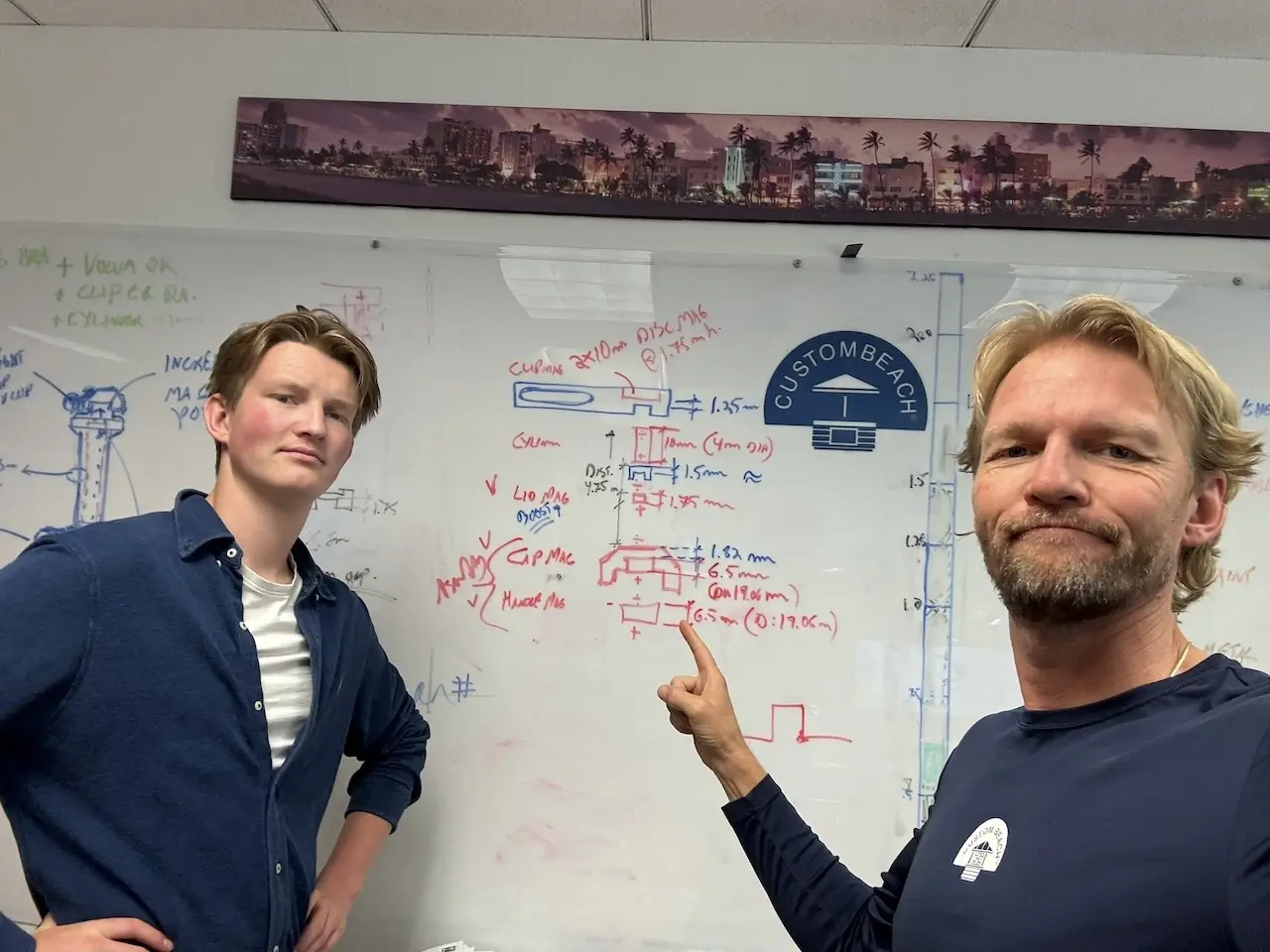
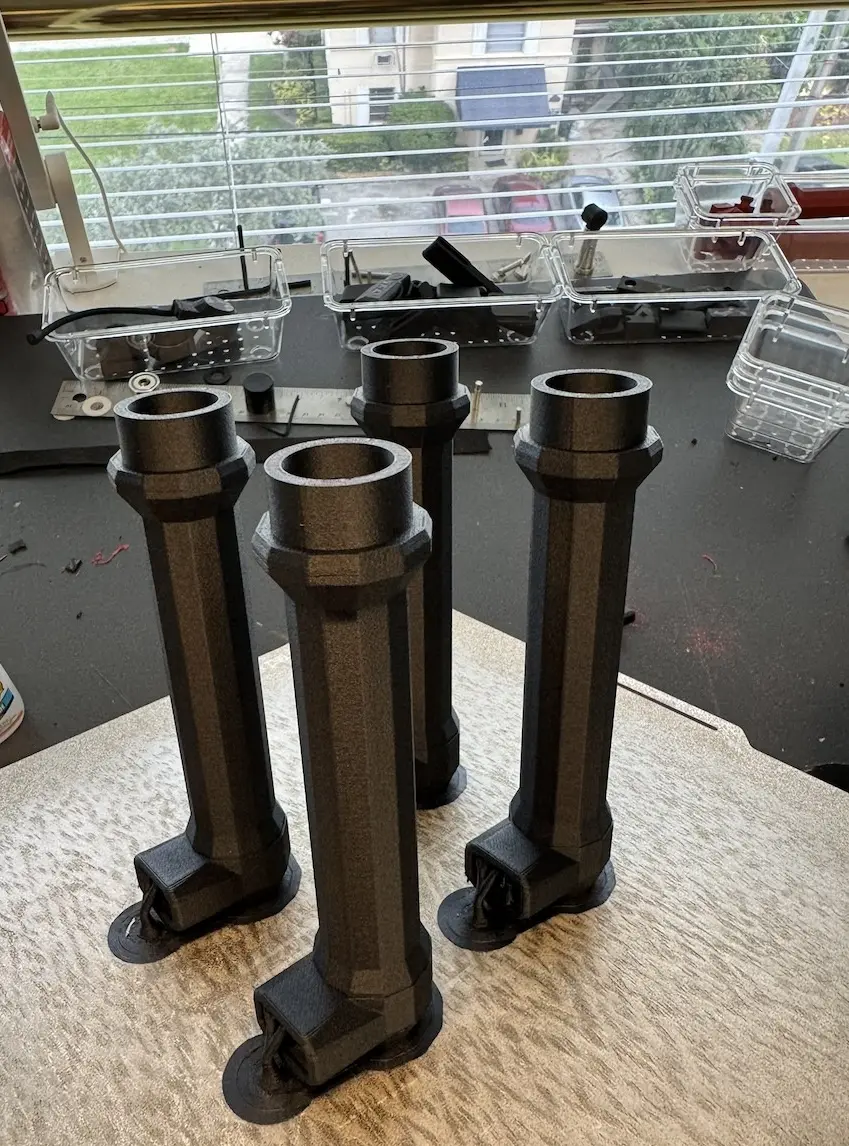
Jesper and Thomas figured out the magnetic connection.
The early 3D models of the handle.
They also wanted a pole you could change and repair. Different handles, interchangeable parts, and the freedom to build a setup that fits your skiing. If something wears out, replace the part, not the whole pole.
What came out of all that work was GRABS. A ski pole with an adjustable elastic strap and magnetic connection, designed to stay with your hand and release on impact.
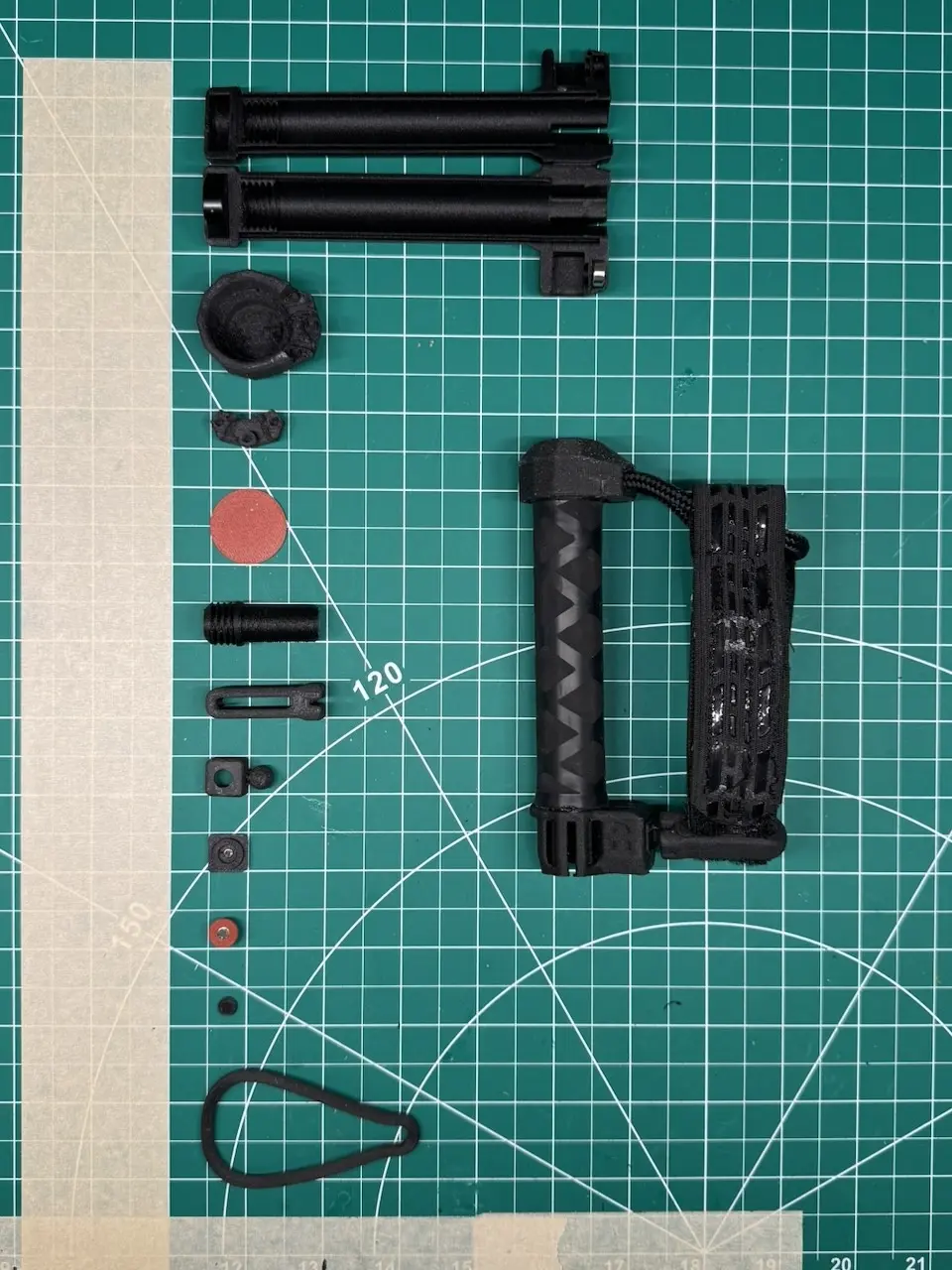
The components of the handle.
How the MagKey® works.
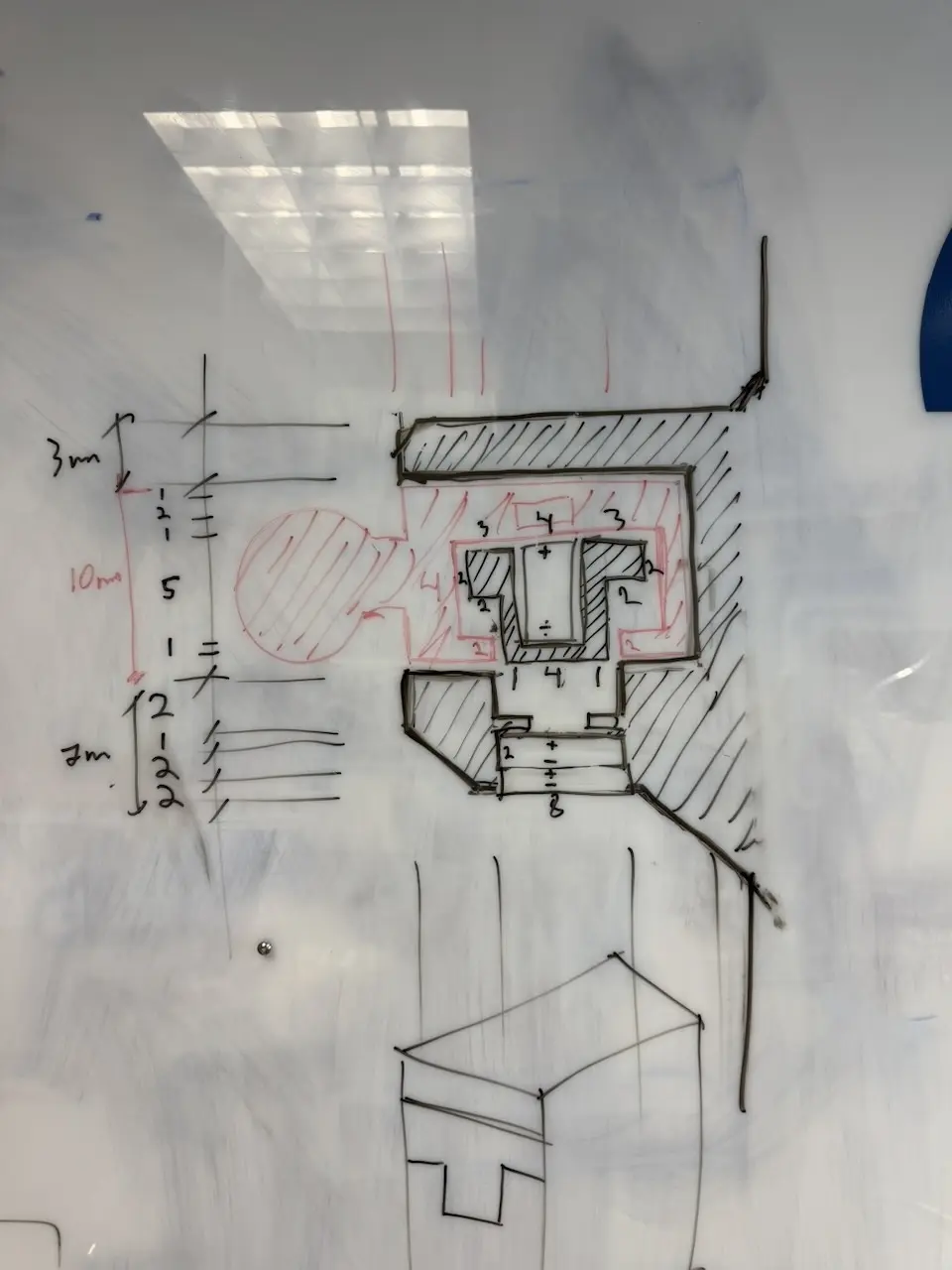
DEVELOPMENT DIDN'T END WITH THE PROTOTYPES
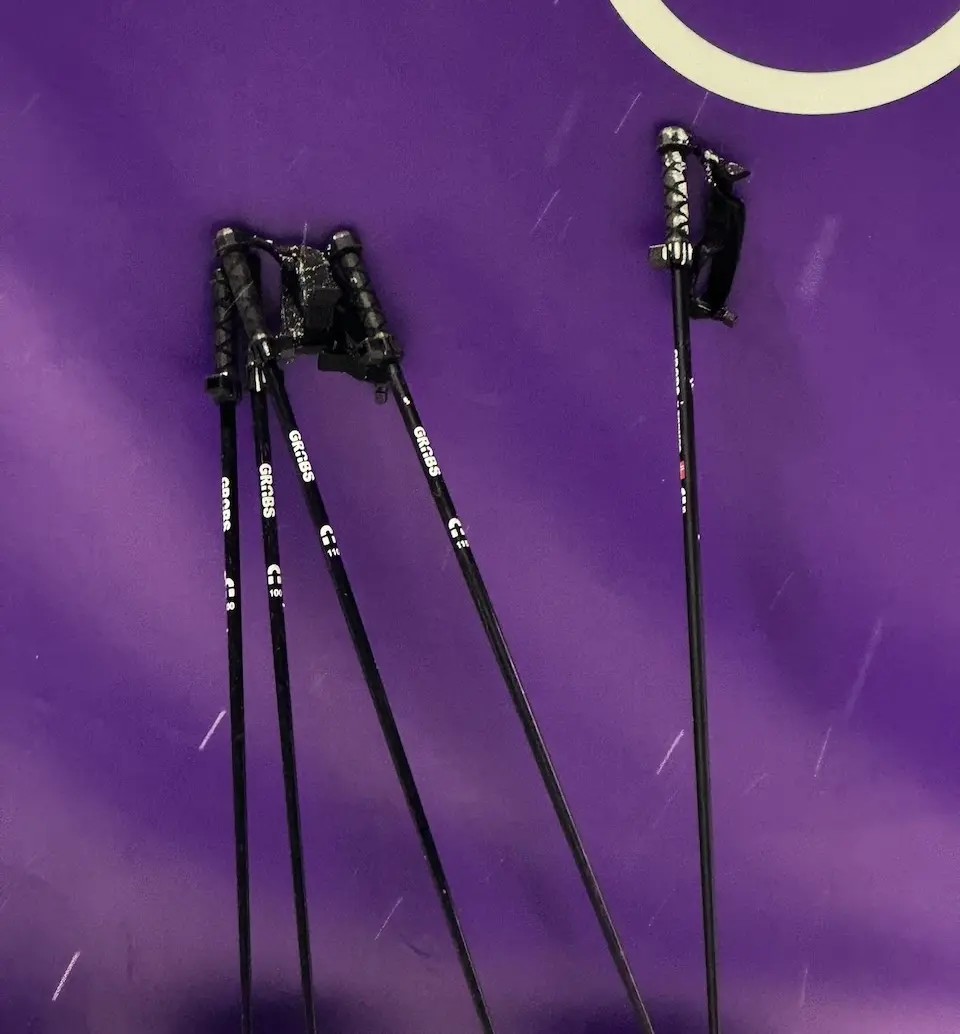
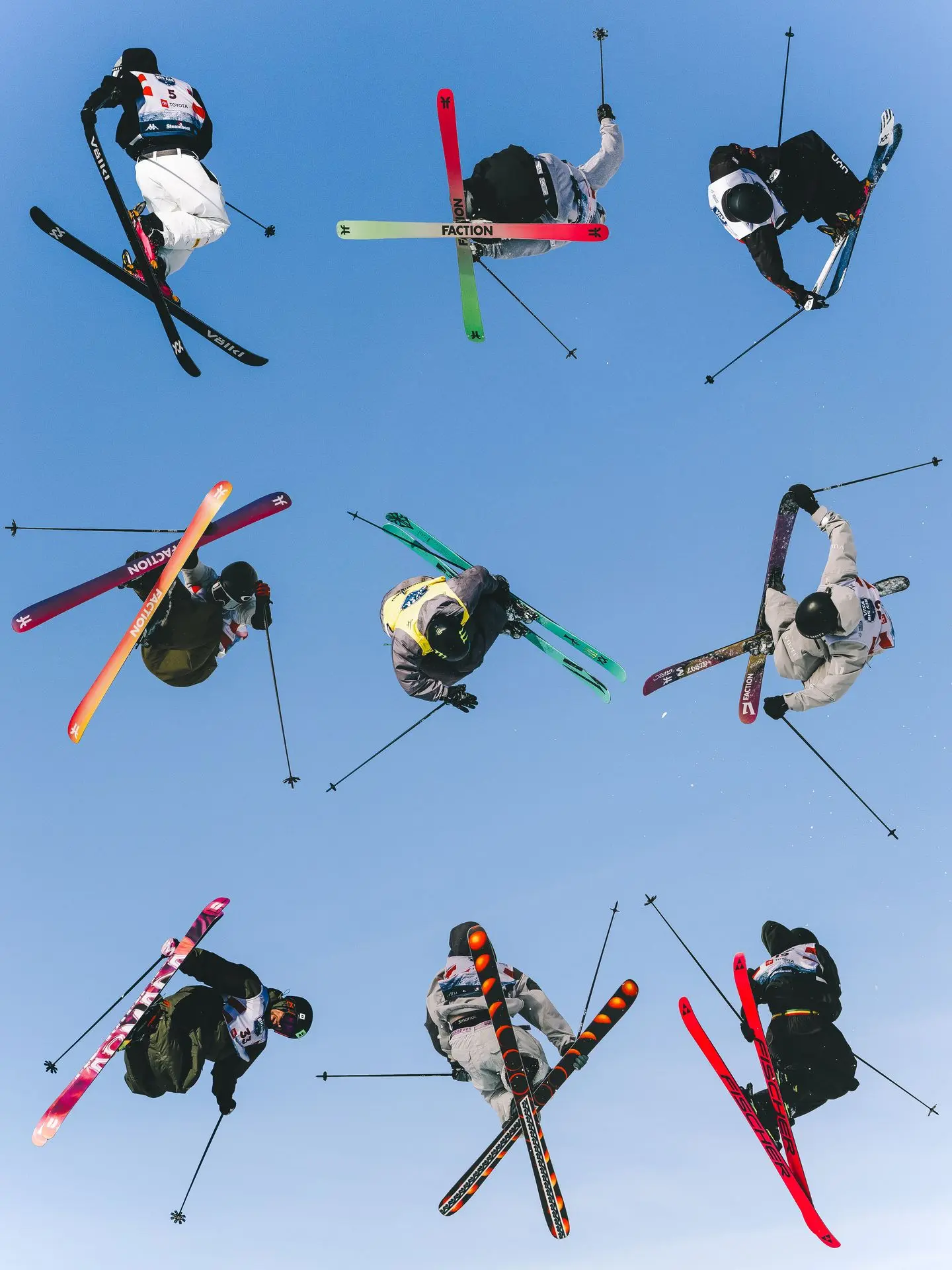
From the beginning, freeskiers helped shape the design. They tested GRABS on snow and told us what worked and what didn't. By the 2026 Winter Olympics, 9 of the 12 men's Big Air finalists were skiing with GRABS.
From top left to right: Miro Tabanelli, Mac Forehand, Hannes Rudigier, Kadi Gomis, Luca Harrington, Thibault Magnin, Keagan Supple, Thierry Wili, Julius Forer.
The poles at the biggest stage in sports. 3 for 3 on the podium.

Birk had the idea and the experience on snow. Thomas had the knowledge to turn it into a product.
We're still building, testing and improving.
And the mission hasn't changed: make the best ski pole in the world.